Skip to content

What Is the Best Compression Ankle Wrap?

Choosing the best Compression Ankle Wrap is rarely about the tightest fit. A useful wrap should support movement, manage mild swelling, and remain comfortable through ordinary daily tasks. Imagine an ankle that feels puffy after a long walk, with a shoe pressing against the outer seam. That small detail can matter more than a product’s impressive marketing claim. Comfort matters.

This guide compares compression levels, fabric, adjustability, breathability, and stability across common ankle wraps. It also considers how each design performs during walking, desk work, training, and recovery. Product instructions and healthcare guidance deserve more weight than anonymous reviews. A wrap that suits one swollen ankle may feel restrictive on another. Sizing charts can be inconsistent. Measurements should be checked against the manufacturer’s instructions, not guessed from shoe size alone. In practice, a secure fastening system should stay flat without digging into the skin. That standard sounds simple, but many products miss it.

The discussion will separate supportive compression from medical treatment. Persistent pain, numbness, unusual color changes, or worsening swelling requires professional assessment. No ankle wrap should hide those warning signs. Evidence remains imperfect, and product quality can vary between batches. That limitation is worth admitting. We will focus on transparent criteria, realistic use, and cautious recommendations. The best choice is not universal; it is the wrap that delivers measured support without compromising circulation or movement.
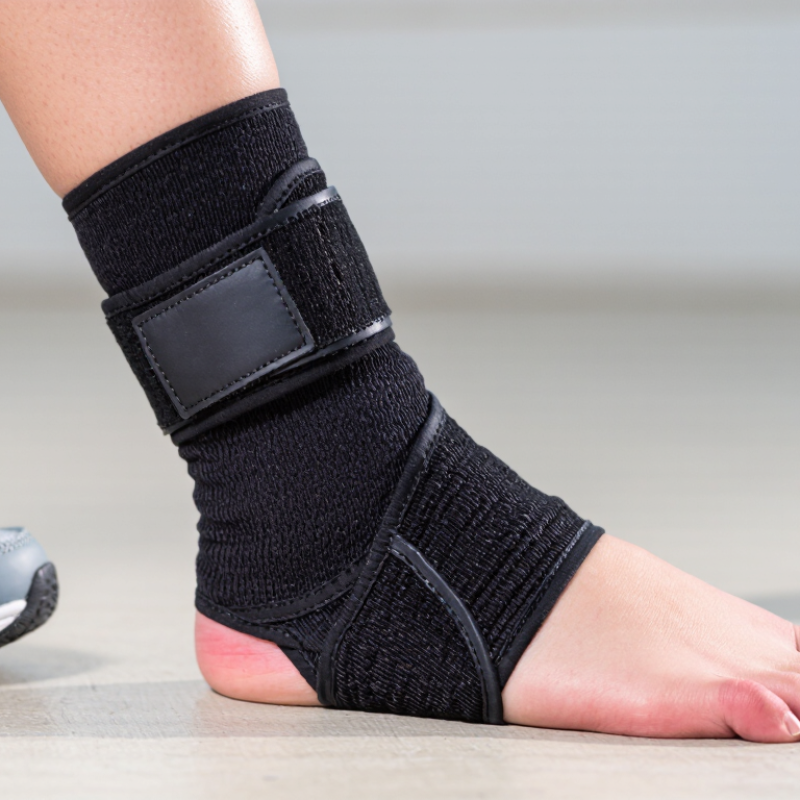
What Is the Best Compression Ankle Wrap?

What Is a Compression Ankle Wrap?

What Is a Compression Ankle Wrap?

A compression ankle wrap is an elastic support designed to apply gentle, controlled pressure around the ankle. It usually covers the joint, heel, or lower foot. The pressure can help limit mild swelling and provide a steadier feeling during daily movement. Unlike a rigid brace, it does not fully prevent ankle motion. The material should feel secure, not painfully tight.

I once thought tighter meant better. It does not. A suitable wrap should allow normal skin color, warmth, and comfortable toe movement. Many wraps use stretch fabric or adjustable fasteners, so pressure can be changed as swelling changes. Some designs provide graduated compression, with stronger pressure near the ankle and less higher on the leg. Others offer general support only. Checking the product’s instructions matters.

In my experience, fit often matters more than thickness. A wrap that rolls, bunches, or leaves deep marks may create pressure in the wrong places. Measure the ankle when swelling is lowest, then compare it with the sizing guide. Remove the wrap before sleeping unless a qualified clinician specifically recommends overnight use. Stop wearing it if numbness, tingling, unusual coldness, worsening pain, or bluish skin appears. People with poor circulation, unexplained swelling, or a recent serious injury should seek medical advice before choosing one. The “best” compression ankle wrap is therefore the one that matches the injury, provides even support, and remains comfortable during the activity.

What Is the Best Compression Ankle Wrap?

A compression ankle wrap applies graduated pressure to help support circulation and manage mild swelling. The best compression level depends on comfort, symptoms, and medical guidance—not simply on choosing the highest pressure.

What Is a Compression Ankle Wrap?

This chart shows commonly used approximate compression ranges, measured in millimeters of mercury (mmHg). Light compression is often chosen for everyday support, while stronger levels may be used for more significant swelling under professional advice. People with circulation problems, numbness, diabetes, or unexplained swelling should consult a healthcare professional before using firm compression.

How Compression Ankle Wraps Work

What Is the Best Compression Ankle Wrap?

How Compression Ankle Wraps Work

A compression ankle wrap applies controlled pressure around the ankle and lower foot. This pressure is often strongest near the ankle and gradually decreases upward. The design can support venous return, helping blood move back toward the heart. It may also limit mild fluid buildup after standing, travel, or exercise. Less swelling can make the joint feel easier to move.

Compression does not directly repair a torn ligament or heal a fracture. It mainly offers support and changes how pressure feels around the joint. Some wraps also improve proprioception, which is your awareness of ankle position. That extra feedback may help during walking on uneven ground. The best compression ankle wrap depends on the injury, swelling level, activity, and personal fit.

A practical fitting check matters. The wrap should feel firm, not painfully tight. Toes should remain warm and normally colored. Numbness, tingling, increasing pain, or pale skin signals a problem. Remove it and seek medical advice if these symptoms continue. People with circulation disorders, diabetes, or unexplained swelling should ask a qualified clinician before using compression.

The fit is easy to underestimate. A wrap that shifts can create uneven pressure and irritation. A wrap that feels supportive at first may become uncomfortable after several hours. Follow the care instructions, inspect your skin, and reassess the fit as swelling changes. It is not a perfect solution. That detail matters.

Key Features to Consider When Choosing One

What Is the Best Compression Ankle Wrap?

The best compression ankle wrap depends on your activity, swelling level, and daily comfort. A wrap should provide steady support without creating numbness, tingling, or sharp pressure. Look for adjustable straps, because ankle size can change during the day. Graduated compression may help manage mild swelling, while flexible materials support normal movement.

Fabric matters more than many shoppers expect. Breathable, moisture-wicking material can reduce skin irritation during long wear. Flat seams and soft edges help prevent rubbing around the heel and ankle bone. A non-slip design is useful under shoes, but excessive tightness can restrict circulation. Choose a clear size guide, and measure your ankle when swelling is present. This detail is easy to miss.

Tips: Wear the wrap for a short trial first. Check your skin after removing it. If marks remain, loosen the straps. Stop using it if you notice unusual pain, cold skin, color changes, or persistent tingling. People with circulation problems, diabetes, or unexplained swelling should seek professional medical advice before using compression. A wrap can support recovery, but it cannot identify the cause of an injury. Some designs feel supportive at first, yet become uncomfortable after several hours. That is worth reconsidering.

What Is the Best Compression Ankle Wrap? - Key Features to Consider When Choosing One
Key Feature What to Look For Why It Matters Practical Selection Guide
Compression Level Light compression is commonly about 8–15 mmHg, moderate compression about 15–20 mmHg, and higher levels may range from 20–30 mmHg or more. Compression can help limit swelling and support fluid return, but the appropriate pressure depends on the user’s condition and medical needs.
Adjustability Look for wide hook-and-loop straps or a wrap design that allows tension to be adjusted in small increments. An adjustable fit can accommodate changes in swelling and helps prevent the wrap from being excessively tight. Prioritize adjustability when ankle size changes during the day or when a precise fit is important.
Fit and Sizing Use the manufacturer’s measurement method, which may include ankle circumference, foot circumference, or shoe size. A wrap that is too loose may provide limited support, while one that is too tight may cause discomfort or restrict circulation.
Material and Breathability Common materials include nylon, polyester, elastane, neoprene, cotton blends, and moisture-managing knitted fabrics. Breathable, moisture-managing materials can improve comfort during extended wear and physical activity. Choose a lightweight, breathable fabric for warm conditions; consider neoprene when warmth and cushioning are preferred.
Support Level Features may include elastic compression, stabilizing straps, padded panels, or semi-rigid supports. Different designs provide different levels of movement control and protection. Use a flexible wrap for mild support and mobility. Select stabilizing features when additional control is needed, subject to professional advice.
Range of Motion The wrap should support the ankle without unnecessarily limiting normal walking or comfortable movement. Excessive restriction can affect gait and may make everyday activities more difficult.
Seam and Edge Design Look for flat seams, smooth edges, and a surface that does not create pressure points. Reduced friction helps lower the risk of rubbing, skin irritation, and discomfort under footwear. Inspect the inside of the wrap and avoid designs that pinch, roll, or create concentrated pressure.
Ease of Application A simple wrap pattern, clearly marked straps, and one-handed fastening can make application easier. Correct placement is essential for consistent support and comfortable compression. Choose a design that can be applied evenly without excessive force, especially if hand strength or mobility is limited.
Wear Under Footwear Low-profile construction and minimal bulk around the heel and ankle are useful for use with shoes. A bulky wrap may cause pressure inside footwear and can discourage consistent use. For work, walking, or sports shoes, select a thin design and check the fit with the footwear you normally wear.
Skin Comfort Choose soft, non-abrasive fabric and avoid materials that trigger known sensitivities. Continuous moisture, friction, or excessive pressure may contribute to skin irritation. Wear over clean, dry skin, check the area regularly, and discontinue use if persistent redness, numbness, or pain develops.
Care and Durability Look for reinforced stitching, secure fasteners, and clear washing instructions. Repeated washing and stretching can reduce elasticity and weaken closures over time. Follow the care label, avoid high heat unless permitted, and replace the wrap when it loses shape or no longer fastens securely.
Intended Use Common purposes include daily swelling support, activity-related support, recovery assistance, and travel comfort. A wrap designed for light daily support may not provide the stability required for a significant injury.
Safety Considerations Do not use excessive compression or continue wearing the wrap if it causes increasing pain, tingling, numbness, unusual coldness, or discoloration. These symptoms can indicate that the wrap is too tight or that medical evaluation is needed. Seek professional advice before using compression for unexplained swelling, circulation problems, reduced sensation, open wounds, or after a serious injury.
Selection Tip: The best compression ankle wrap is one that provides the appropriate level of support, fits securely without restricting circulation, remains comfortable during the intended activity, and can be adjusted to accommodate normal changes in swelling.

How to Find the Right Fit and Compression Level

What Is the Best Compression Ankle Wrap? How to Find the Right Fit and Compression Level

The best ankle wrap should feel supportive, not punishing. Measure your ankle and calf when swelling is lowest, usually in the morning. Use the manufacturer’s sizing chart, but do not trust measurements blindly. A narrow ankle with a broad calf may need a different design. The wrap should sit flat around the joint, without folds behind the heel or sharp edges near the Achilles tendon. You should fit two fingers beneath the closure. That is only a starting point.

Compression level matters more than appearance. The 2020 International Consensus Statement on Medical Compression Therapy classifies low pressure as below 20 mmHg, moderate pressure as 20–40 mmHg, and high pressure as above 40 mmHg. For everyday support after mild activity-related swelling, lower compression is often more practical. Stronger compression should involve professional guidance, especially with diabetes, reduced circulation, numbness, or unexplained swelling. Stop wearing it if your toes become cold, pale, blue, or unusually painful.

The awkward truth: tighter does not always mean better. A 2022 review in the Journal of Sports Rehabilitation described mixed evidence for compression garments and athletic recovery. Check the wrap after ten minutes of walking. It should stay in place without tingling. Recheck the skin after removal. Red marks that fade quickly may be normal; persistent marks suggest excessive pressure or poor fit. A wrap can help, but it cannot explain why an ankle keeps swelling.

How to Use and Care for a Compression Ankle Wrap

What Is the Best Compression Ankle Wrap?

How to Use and Care for a Compression Ankle Wrap

The best compression ankle wrap should feel supportive, not painfully tight. I used to think tighter meant better. It does not. Choose a wrap that matches your ankle size and intended use. A medical professional can help when swelling follows injury, surgery, or a circulation problem. Soft, breathable material may reduce sweating during daily wear.

Start with clean, dry skin and place the wrap around the ankle without wrinkles. Keep pressure even, especially near the heel and front of the joint. Your toes should remain warm and their natural color. Check them after ten minutes. Remove the wrap if you notice numbness, tingling, increasing pain, cold skin, or unusual discoloration. Do not wear it over an open wound unless a clinician gives clear instructions. Sleeping in it may also be unsuitable.

Care affects performance. Hand-wash the wrap in lukewarm water with mild soap, then press out excess water gently. Let it air-dry away from direct heat. Avoid bleach, fabric softener, and high-temperature drying. Inspect the stitching and elastic each time. A stretched or damaged wrap may provide uneven pressure. That mistake is easy to miss. People with diabetes, reduced sensation, poor circulation, or unexplained swelling should seek professional advice before using compression. Severe pain, sudden swelling, or skin changes require prompt medical attention.