What Is the Best Type of Lounge Area Sofa?
Choosing the best lounge area sofas is less about following trends and more about understanding how the room will be used. A sofa may look impressive online, yet feel too firm after ten minutes. It may fit the floor plan, but block a window or narrow the walking path. Comfort, proportion, construction, and maintenance all deserve equal attention.
Interior designer Nate Berkus offers a useful reminder: “Your home should rise up to greet you.” That idea applies strongly to lounge area sofas. The right design should welcome guests, support relaxed conversation, and suit the daily rhythm of the household. A deep sectional can create a generous, social setting. A compact two-seater may work better in a smaller apartment. Modular sofas provide flexibility, although their connections can sometimes feel less seamless.
Details matter. Check the seat depth, cushion filling, frame materials, and fabric performance. Sit upright, stretch out, and test the arm height. Do not trust appearance alone. It can mislead.
There is no universally perfect sofa. A low-profile model may look refined but offer limited back support. Soft feather cushions feel luxurious, but they need regular plumping. Performance fabric handles busy homes well, though it may lack the warmth of textured linen. Even expert recommendations have limits. Personal comfort still decides the outcome.
This guide compares the main sofa types, explains their practical strengths, and identifies common buying mistakes. By considering space, lifestyle, durability, and visual balance, you can choose lounge area sofas that feel inviting today and remain useful for years.
Defining the Ideal Sofa for a Lounge Area
What Is the Best Type of Lounge Area Sofa?
Defining the Ideal Sofa for a Lounge Area
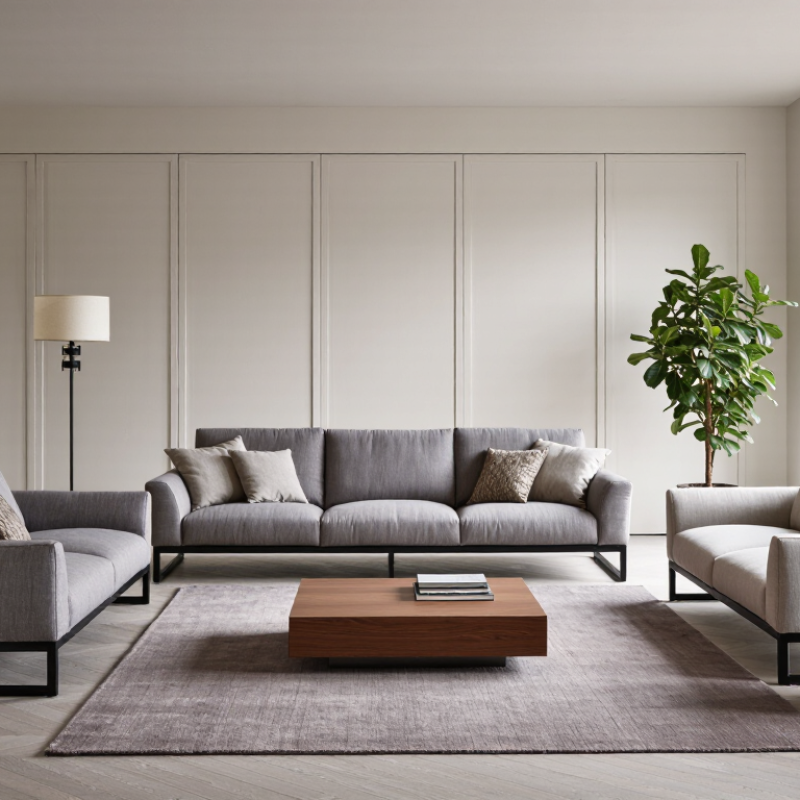
The ideal lounge area sofa supports conversation, reading, and quiet recovery without dominating the room. Its size should follow the room’s walking paths, not only the empty wall. Leave about 30 inches for comfortable movement around major furniture. A deep seat may look inviting, but it can strain shorter users. Seat depth between 20 and 24 inches often offers balanced support. Test the sofa while sitting upright, relaxing, and standing. Comfort is personal.
Material also shapes daily experience. A tightly woven fabric can handle frequent use and minor spills better than delicate upholstery. A firm, resilient cushion usually keeps its shape longer, though excessive firmness feels unwelcoming. The frame should feel stable, with no twisting or creaking during movement. These details are easy to overlook. They matter later.
Tips: Measure the room, doorway, and lift before ordering. Mark the sofa’s footprint with painter’s tape. Sit for at least ten minutes. Check whether your feet touch the floor. Test the arm height for relaxed shoulders. If several people share the lounge, choose balanced support rather than one person’s preferred softness. I once underestimated clearance beside a side table; the seating felt cramped despite its attractive proportions. That mistake changed my planning method. A beautiful sofa is not automatically the right sofa.
What Is the Best Type of Lounge Area Sofa?
Defining the ideal sofa depends on room size, seating needs, and available floor space. The chart compares typical sofa dimensions and seating capacity to help identify the most suitable option for a lounge area.
How to read the chart: Compact loveseats suit smaller rooms, standard three-seat sofas offer a balanced everyday solution, sectionals provide the highest seating capacity, and modular sofas offer greater flexibility for changing layouts. Measurements are typical industry ranges and may vary by design.
Comparing Sofa Types by Comfort, Space, and Use
What Is the Best Type of Lounge Area Sofa?
Comfort, available space, and daily use should guide sofa selection. A deep, loose-cushion sofa suits long movie nights, but it can overwhelm a narrow room. A compact two-seater offers easier movement and clearer sightlines. It may feel less generous.
The U.S. Bureau of Labor Statistics’ 2023 American Time Use Survey recorded about 5.3 hours of daily leisure for Americans aged 15 and older.
That figure supports choosing a sofa for repeated, extended use rather than appearance alone. Seat depth matters. Many adults feel comfortable around 55–65 centimeters, though body proportions vary. A firmer cushion usually supports conversation and upright reading. Softer foam feels inviting but may lose shape sooner. This is where showroom testing remains valuable.
Sectional sofas provide flexible seating and can define an open-plan lounge area. However, their fixed corners waste space in rooms with several doorways. Modular designs adapt better when layouts change.
The ANSI/BIFMA X5.4-2020 lounge-seating standard evaluates stability, strength, and durability, offering a useful professional reference. Still, certification does not measure personal comfort.
Measure the sofa, doorway, lift, and walking route first. A beautiful sofa that cannot enter the room is a costly mistake. I have also found that “more seats” does not always mean better use; one household may need a chaise, while another needs upright support and washable covers.
Choosing the Right Sofa Materials and Upholstery
What Is the Best Type of Lounge Area Sofa?
Choosing the right sofa starts with its materials and upholstery. In my experience, a lounge sofa should feel comfortable, stable, and easy to maintain. A solid wood frame offers dependable support, while reinforced joints reduce movement over time. Kiln-dried wood can help limit warping in changing indoor conditions. However, no frame stays perfect without sensible use.
Cushion filling changes the daily experience. High-density foam keeps a cleaner shape, but it may feel firmer than expected. Feather or fiber blends feel softer and more relaxed. They also need regular plumping. Upholstery matters just as much. Tightly woven fabric can handle frequent sitting and resist light snags. Textured fabric hides small marks, although dust may collect in its surface. Leather is easy to wipe, but direct sunlight can dry or fade it. I once underestimated how quickly pale upholstery showed snack crumbs. That mistake changed my material preferences.
Tips:
Test the sofa for at least ten minutes. Sit upright, recline, and check the seat depth. Ask about removable, washable covers and the fabric’s abrasion rating. Keep a spare cleaning cloth nearby. Choose darker or patterned upholstery if children, pets, or frequent guests use the lounge area. Also, request material samples before ordering; indoor lighting can make colors look surprisingly different.
Matching Sofa Size and Style to the Room
Choosing the best lounge sofa starts with the room, not a trend. Measure the wall, doorway, and walking routes before shopping. Leave about 75–90 centimetres for a comfortable main passage. Keep roughly 40–45 centimetres between the sofa and coffee table. These figures follow common interior-planning guidance, but every room behaves differently. The American Society of Interior Designers’ 2024 Trends Outlook identifies multifunctional living areas as an ongoing priority. A compact two-seat sofa may therefore work better than a deep sectional.
The U.S. Bureau of Labor Statistics’ 2023 American Time Use Survey reports that adults spent about 2.6 hours daily watching television. Comfort deserves serious attention. For regular lounging, choose a seat depth near 52–60 centimetres and supportive back cushions. A small room usually suits a sofa around 180–210 centimetres wide. Larger rooms can handle 240 centimetres or more, especially when paired with two occasional chairs. I have seen oversized sofas make beautiful rooms feel strangely blocked.
Style should repeat the room’s visual language. Straight arms and raised legs feel lighter in compact spaces. Rounded arms and deeper cushions create a softer, more relaxed atmosphere. The U.S. Census Bureau’s 2023 American Community Survey reports an average household size of approximately 2.5 people. That does not mean every home needs a large sofa. Consider actual habits, pets, guests, and cleaning access. My first choice is not always the best one; a smaller, washable, well-proportioned sofa can be more useful than a dramatic centerpiece.